 Read Me A Book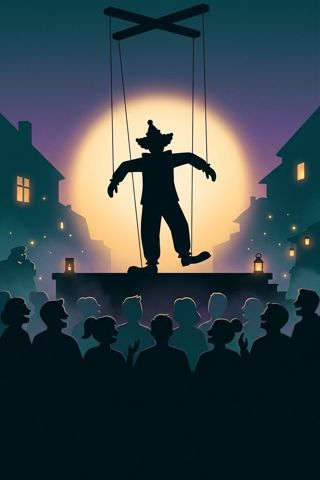
Laughter: An Essay on the Meaning of the Comic
by Henri Bergson · audio summary, about 7 min
Laughter serves as an informal social penalty against human rigidity, punishing absentminded habits and forcing individuals into flexible harmony with community life.
Key ideas
- The comic belongs exclusively to what is human and requires emotional detachment to be felt.
- Laughter is triggered whenever living adaptability hardens into mechanical inelasticity or absentminded habit.
- Dramatic comedy borrows structures from childhood toys: the jack-in-the-box, the dancing-jack, and the rolling snowball.
- Comic absurdity does not follow waking logic, but operates through the relaxed associations of dream states.
- Laughter functions as a social penalty that humbles personal eccentricity and restores community harmony.
This summary and its voice are made with AI from the public-domain book. They can be wrong.
Listen in the Read Me A Book app - coming soon to Google Play